
Bulukumba Phinisi Shipbuilding: Heritage to Marina
Bulukumba phinisi shipbuilding is the UNESCO-recognized craft of building large wooden sailing ships by hand on the beaches of South Sulawesi, Indonesia — and it is the source of most of the luxury charter yachts now sailing Komodo, Raja Ampat, and Bali. As of 2026, the same family-run yards in Tana Beru and Ara that once launched cargo schooners are delivering 30-to-60-metre liveaboard yachts, many of which finish their delivery voyage at a berth in Bali. This guide explains how the craft works, why UNESCO honoured it in 2017, and how a hull travels from a Sulawesi beach to a marina berth on Serangan Island.
What Is Bulukumba Phinisi Shipbuilding?
Bulukumba is a regency at the southern tip of South Sulawesi, roughly 180 kilometres from Makassar. Along its coast, the villages of Tana Beru, Ara, and Lemo-Lemo have specialised in wooden shipbuilding for generations. The master builders, known locally as panrita lopi, come largely from Konjo-speaking communities where boatbuilding knowledge passes from father to son through apprenticeship rather than formal schooling.
The method is what makes the craft remarkable. Where Western shipwrights build a frame first and plank it afterwards, Bulukumba builders work hull-first: thick planks are shaped, edge-joined with wooden dowels, and assembled into the hull shape before the internal frames are fitted. There are traditionally no blueprints. Proportions, curvature, and timber selection live in the memory of the panrita lopi, guided by inherited rules of thumb. Typical materials include dense ironwood for the keel, bitti (a local hardwood, Vitex cofassus) for planking and frames, and teak for decks and interiors.
Construction is also a social and spiritual process. Keel-laying is marked with ritual, and a finished hull is traditionally pushed to the sea by the whole community in a launching ceremony called annyorong lopi — dozens of people hauling a multi-hundred-tonne ship across the beach on timber rollers.
Why Did UNESCO Recognize the Craft?
In December 2017, UNESCO inscribed “Pinisi, art of boatbuilding in South Sulawesi” on the Representative List of the Intangible Cultural Heritage of Humanity. The listing does not protect a boat design; it recognises a living knowledge system — the building techniques, the rituals, the apprenticeship model, and the community cooperation that surrounds every launch.
One technical note that surprises many buyers: “phinisi” (or pinisi) originally described a rig, not a hull — the distinctive arrangement of seven to eight sails on two masts that Sulawesi traders adopted in the nineteenth and twentieth centuries. Modern usage has shifted, and today the word broadly means the wooden ship type built in this tradition, whether or not it carries a full working sail plan. Most modern charter phinisi motor-sail: they carry the iconic rig but rely on marine diesel engines for scheduling reliability.
How Does a Traditional Hull Become a Luxury Charter Yacht?
The transformation of the phinisi from cargo carrier to luxury yacht happened over roughly two decades, driven by dive tourism in Komodo and Raja Ampat. The formula that emerged pairs the traditional hull with modern systems and design:
- Traditional scope: hull form, plank-first construction, timber joinery, and the seaworthy proportions the panrita lopi have refined over generations.
- Modern scope: naval-architecture review, marine diesel engines and generators, watermakers, air conditioning, navigation and safety electronics, fire systems, and en-suite guest cabins designed by professional interior designers.
- Compliance scope: flag registration, load line and safety survey, and increasingly classification-society involvement for larger charter and private builds.
A typical luxury build runs 18 to 36 months from keel-laying to handover, depending on size, fit-out level, and timber availability. The best projects put a dedicated project manager on the beach for the duration, bridging the gap between a yard that works from memory and an owner who works from drawings and contracts. We cover the full process — yard selection, contracts, milestones, and quality control — in our guide to phinisi yacht construction.
The Pipeline From Bulukumba Phinisi Shipbuilding Yards to Bali Berths
Once a hull is launched and fitted out, the delivery pattern is well established. Sea trials take place in the Flores Sea off the Bulukumba coast. The delivery voyage to Bali typically takes two to four days depending on weather and routing, crossing to the Lombok Strait and arriving at Benoa on Bali’s southern shore.
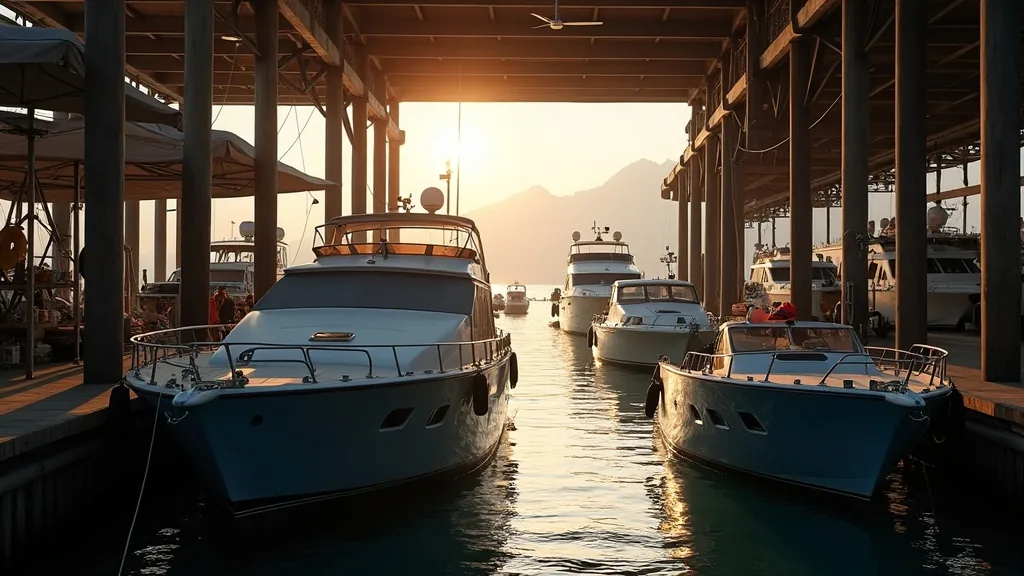
Bali matters because it is the operational gateway for the phinisi fleet. Benoa Marina and the Serangan area handle arrivals, provisioning, crew changes, and refits for vessels working the Komodo and Raja Ampat circuits. And the gateway is expanding: Kura Kura Bali, the development on Serangan Island in Denpasar, received Special Economic Zone (SEZ) status in 2023, with a yacht marina being developed in phases alongside existing facilities such as the fuel dock. For phinisi owners, that points toward more berthing capacity, better shore support, and a natural home port within reach of both charter grounds.
For transparency: this website is an independent information resource and marine-services provider. We are not the official website of the Kura Kura Bali developer, and berthing availability, phasing, and marina specifications should always be confirmed directly with the marina operator.
What Does a Custom Phinisi Cost in 2026?
Pricing varies widely with length, timber quality, fit-out level, and compliance scope. The figures below are indicative ranges as of 2026, based on typical market conversations — they are not quotes, and any real budget must be confirmed against a specification with the yard and project manager.
| Vessel type | Typical length | Indicative budget (USD) |
|---|---|---|
| Day-charter / small liveaboard | 20–30 m | $400,000 – $1,000,000 |
| Mid-size luxury liveaboard | 30–45 m | $1,000,000 – $3,000,000 |
| Flagship / superyacht-class phinisi | 45–60+ m | $3,000,000 – $8,000,000+ |
Timber inflation, engine and systems packages, and interior specification are the biggest cost drivers. Legally sourced, certified timber costs more and takes longer to procure, but it protects both the forest and your vessel’s future compliance position.
How Do You Commission a Build Without Getting Burned?
The heritage is real, but so are the risks of a beach-yard build managed remotely. Experienced buyers follow a consistent playbook:
- Visit the yard before signing. Walk current builds, meet the panrita lopi, and check the yard’s delivery history against vessels actually in service.
- Contract in milestones. Tie payments to verifiable stages — keel, planking complete, launch, systems commissioning, survey, handover — never to calendar dates alone.
- Put a surveyor and project manager on site. Monthly independent inspection is the single best protection an absent owner can buy.
- Verify timber legality. Ask for documentation under Indonesia’s timber-legality assurance system before the keel is laid.
- Plan the operational side early. Flag, registration, crewing, insurance, and berthing should be arranged during the build, not after launch. A yacht agency in Bali can handle clearances, berthing arrangements, and operational setup so the vessel earns from its first season.
From a Sulawesi Beach to a Serangan Berth
Bulukumba phinisi shipbuilding is that rare thing: a UNESCO-listed heritage craft that is also a living, commercially thriving industry. Every hull that leaves Tana Beru carries generations of knowledge into a modern charter market — and increasingly, toward Bali’s growing marina infrastructure at Benoa and Serangan.
If you are considering commissioning a phinisi, refitting one, or positioning a vessel for the Bali and Komodo market, our team manages the full pipeline — yard selection and construction oversight in South Sulawesi through to agency, berthing, and charter operations in Bali. Part of Juara Holding Group — operating from Bali across Indonesia since 2015. Message us on WhatsApp at +62 811-3941-4563 or email bd@juaraholding.com to discuss your project.