
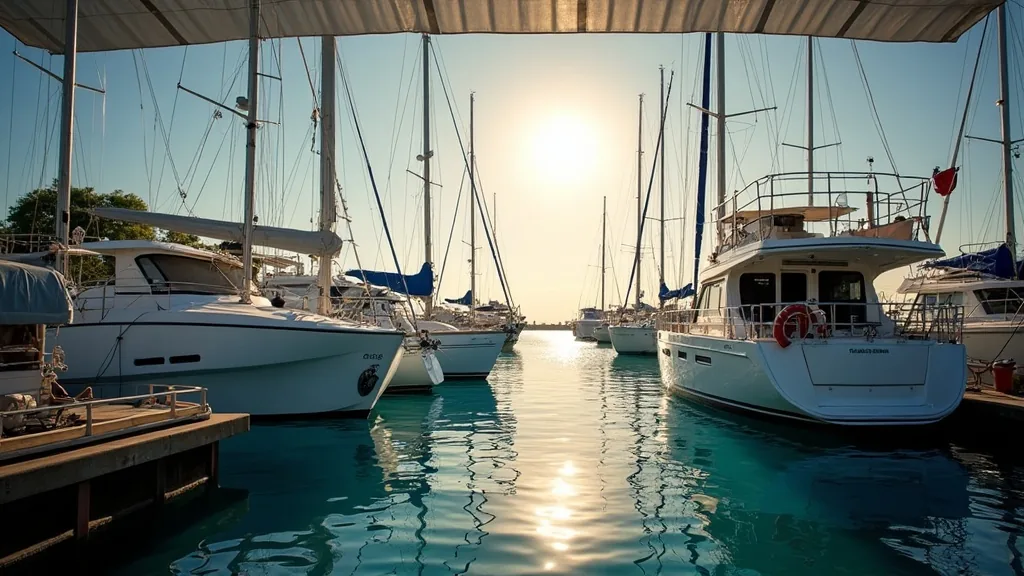
Marina Berth vs Anchoring in Bali: Which Is Better?
For most cruisers planning to stay in Bali longer than a couple of weeks, a secured marina berth ends up safer, less stressful, and — once you honestly price in tender fuel, dinghy risk, weather losses, and your own time — surprisingly close in cost to the “free” anchorage. In the marina berth vs anchoring Bali question, anchoring genuinely wins only for short stops in settled dry-season weather with a crewed boat. This guide walks through the real numbers around Serangan and Benoa, category by category, so you can decide with open eyes.
A quick note on who is writing this: we are an independent information and marine-services site covering the Kura Kura Bali development on Serangan Island — not the official website of the developer. Our team arranges berthing, clearance support, and yacht services in Bali, so we see both sides of this debate weekly.
What Are Your Actual Options When You Arrive in Bali?
As of 2026, yachts arriving in Bali essentially choose between three setups:
- Free anchoring — most commonly in the Serangan lagoon area or off the east coast anchorages, with your dinghy as your lifeline to shore.
- Mooring buoys — a limited number of private moorings around Serangan and Benoa, usually arranged through local operators for a modest daily fee.
- A secured marina berth — alongside or stern-to at the Benoa area facilities, with the Kura Kura Marina development on Serangan planned to expand Bali’s berth capacity in phases as the island’s Special Economic Zone (designated in 2023) builds out.
Bali is not blessed with abundant all-weather anchorages. Serangan and Benoa are the island’s practical yacht gateways, and both sit inside a reef-fringed bay where holding, swing room, and traffic all demand attention. That geography is exactly why the berth-versus-anchor decision matters more here than in, say, Thailand or Langkawi.
Marina Berth vs Anchoring Bali: The Six Factors That Actually Decide It
1. Security — the factor cruisers underweight most
At anchor, your boat is unattended every time you go ashore. The Serangan area is generally friendly, but dinghy and outboard theft is a documented reality across Indonesia, and an unattended yacht at anchor is also exposed to opportunistic boarding. Insurers know this: some policies impose conditions or higher excesses for extended unattended anchoring.
In a berth, you have dock staff, controlled access, other crews around you, and shore power keeping your batteries and bilge systems healthy. If you plan to leave the boat for a Ubud trip, a visa run, or a flight home, this stops being a comfort question and becomes the whole decision. Very few insurers are relaxed about a yacht left at anchor with nobody aboard for a week.
2. Tender logistics — the hidden tax on anchoring
Every jerry can of water, bag of groceries, laundry run, and guest arrival happens by dinghy. Around Serangan that means a wet ride at low tide, negotiating landing spots, paying informal dinghy-minding fees, and hauling fuel in the tropical sun. Budget realistically: dinghy petrol, outboard wear, and the occasional repair add up to a real monthly cost — and that is before you value your own time. Two shore runs a day, twenty minutes each way, is over 20 hours a month spent commuting to your own boat.
From a berth you step ashore. Provisioning arrives by trolley, technicians walk down the dock, and guests find you without a rendezvous plan. For anyone working remotely from aboard, the difference in daily friction is dramatic.
3. Weather exposure — Bali’s wet season changes the math
From roughly November to March, the northwest monsoon brings squalls, rain, and wind shifts that can turn a comfortable anchorage into a lee shore overnight. Anchored crews lose sleep to anchor watches, re-anchor in the dark, and occasionally drag. Chafe, snubber failures, and fouled anchors are routine wet-season stories in the Serangan lagoon.
In the dry season (May to October) the southeast trades are steadier and anchoring is far more relaxed — this is the window where anchoring legitimately shines. But if your Bali stay spans the wet season, a berth is not a luxury; it is how you sleep through squall lines instead of standing watches over them.
4. Boat systems — power, water, and wear
At anchor you are your own utility company: solar, generator hours, watermaker cycles or water runs. Generator fuel and engine hours carry real servicing costs per month for a typical cruising yacht. On shore power, batteries stay conditioned, refrigeration runs without engine hours, and you fill tanks from a hose. Over a multi-month stay, reduced generator wear alone quietly claws back a meaningful slice of the berth fee.
5. Clearance and paperwork convenience
Indonesia’s formalities — visas, vessel permits, port clearances — are manageable but paperwork-heavy, and most yachts use an agent. Being berthed at a recognised facility makes every step easier: officials and agents know where to find you, documents move faster, and you are not coordinating boarding parties by dinghy. If you plan to base in Bali and cruise out to Komodo or Raja Ampat and back, a stable berth address simplifies each re-entry to the island’s systems.
6. The total monthly math, honestly
Here is the comparison that matters, for an illustrative 15-metre cruising yacht spending a month in Bali. All figures are indicative estimates only — actual costs vary by vessel, season, and operator, so treat these as orders of magnitude, not quotes:
| Cost item (per month) | Anchoring off Serangan | Secured berth |
|---|---|---|
| Berth / mooring fee | US$0 | Indicative US$700–1,500+ by LOA |
| Dinghy fuel, wear, landing fees | US$100–200 | Minimal |
| Generator fuel + engine hours | US$150–300 | US$30–80 (shore power) |
| Water runs / watermaker costs | US$50–100 | Included or metered |
| Weather damage risk, chafe, gear loss | Unpredictable — one dragged anchor can exceed a month’s berth fee | Largely eliminated |
| Your time (approx. 20+ hrs of tender runs) | Unpaid, but real | Recovered |
Run this way, the marina berth vs anchoring Bali gap is usually far narrower than the headline “free versus US$1,000” framing suggests — often a few hundred dollars a month for a categorical upgrade in security, sleep, and convenience. For current per-metre pricing at Bali facilities, see our berthing rates guide, which we keep updated as the market and the Kura Kura development evolve.
When Does Anchoring Still Make Sense?
An honest comparison cuts both ways. Anchoring is the right call when:
- Your stay is short — a week or less in settled dry-season conditions, with someone aboard most of the time.
- Your budget is genuinely hard-capped — for long-haul cruisers counting every dollar, free is free, and thousands of boats have anchored off Serangan happily in season.
- You carry crew — a crewed yacht can maintain anchor watches and shore runs without eating the owner’s time.
- No berth is available — Bali’s berth supply remains tight as of 2026, which is precisely why the phased marina plans within the Kura Kura Bali SEZ on Serangan are significant for the island’s yachting future.
If two or more of those do not describe you, the berth almost certainly wins on total value.
How Do You Actually Secure a Berth in Bali?
Demand exceeds supply, especially June through September and around major events, so the practical answer is: early, and in writing. Send your vessel’s LOA, beam, draft, and dates, and confirm power and water specifications before you commit. Our berth booking page explains the process, required documents, and typical lead times, and our team can check live availability across Bali options on your behalf — including advising honestly when anchoring or a mooring is the smarter interim choice while the Serangan marina capacity comes online in phases.
The Bottom Line
Weighing marina berth vs anchoring in Bali comes down to duration, season, and how you value security and time. Short, settled-season stops with crew aboard: anchor and enjoy it. Anything longer — and especially any wet-season stay or plans to leave the boat unattended — a secured berth is the better seamanship decision and, on true total cost, a much smaller premium than it first appears.
Planning to bring your yacht to Bali? Our marine services team — part of Juara Holding Group, operating from Bali across Indonesia since 2015 — handles berth inquiries, clearance support, and yacht services around Serangan and Benoa — including berth-plus-repair stays and the Benoa marina and boatyard. Message us on WhatsApp at +62 811-3941-4563 or email bd@juaraholding.com, and we will give you a straight answer on berths, rates, and whether anchoring suits your plans better.