

Yacht Investment Indonesia: Build-to-Charter Guide
The most durable form of yacht investment Indonesia has produced is the build-to-charter model: a phinisi or expedition yacht built at an Indonesian yard, flagged Indonesian, and operated as a licensed charter vessel across two basins with opposite high seasons — Komodo from May to September, Raja Ampat from October to April. This page explains how the model works, what published charter rates look like, the real cost drivers, and the regulatory framework underneath it all.
Read this first: everything on this page is general information, not legal, tax, or financial advice. A charter yacht is an operating business with real risk, and Indonesian maritime regulation changes. Before committing capital, verify every point below with licensed agents, notaries, customs brokers, and tax professionals.
Why Charter Income, Not Resale, Anchors the Case
A yacht is not a passive asset. Hulls depreciate, crews are paid twelve months a year, and tropical waters are hard on every system aboard. The owners who do well in Indonesia treat the vessel as a working business — a charter yacht with a booking calendar, a maintenance plan, and a distribution network — not a speculative store of value waiting for a buyer.
The reason this business works better in Indonesia than almost anywhere else comes down to geography and craft. Indonesia has 17,508 officially named islands, two world-class cruising basins whose high seasons sit on opposite halves of the calendar, and a living shipbuilding tradition — the phinisi of South Sulawesi — inscribed by UNESCO as Intangible Cultural Heritage in 2017. Few markets combine cultural pedigree, route depth, and a near year-round charter calendar under one flag.
How the Build-to-Charter Model Works
Start with the flag. Indonesian cabotage rules favor Indonesian-flagged vessels for commercial work in domestic waters. A foreign-flagged private yacht can cruise the archipelago under temporary admission, but selling charters inside Indonesia is a different legal category altogether. This is the core reason nearly every high-end charter phinisi you meet in Komodo or Raja Ampat was built in Indonesia and flies the Indonesian flag: the flag is the license to trade.
The build itself is where heritage and commerce meet. In Bulukumba Regency, South Sulawesi — around the beaches of Tana Beru, Bira, and Lemo-Lemo — Konjo boatbuilding communities still raise wooden hulls of 30 to 50 meters and more by hand on the open shore, working dense tropical hardwoods such as Ulin ironwood and Bitti. A modern charter build adds naval architecture, engineered systems, and hotel-grade interiors on top of that hull tradition.
Build-to-charter means the vessel is designed backward from the charter product it will sell: cabin count and layout, dive deck and compressor room, tenders and toys, crew quarters sized for the service ratio, and machinery selected for the passages it will actually run. A beautiful boat that cannot hold schedule between Bali and Komodo is a poor investment, whatever it cost to build.
Two Basins, One Calendar
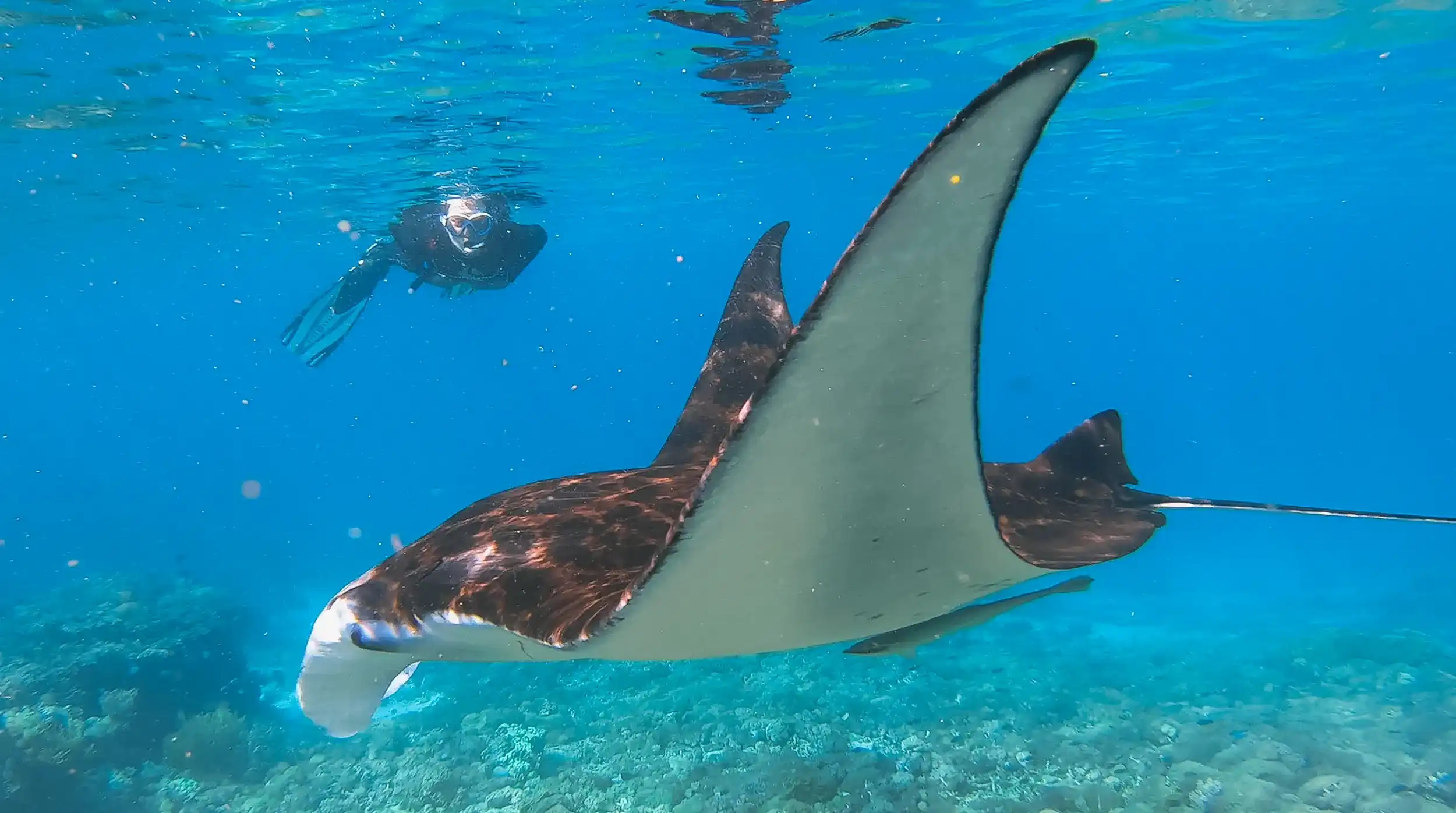
Komodo and the Bali–Flores corridor run their high season from May to September, when the seas of the central archipelago are at their most settled. Raja Ampat runs from October to April. Fleets reposition between the two, which is the quiet structural advantage of the Indonesian charter market: a well-managed vessel can work most of the year instead of sitting idle for half of it, the way single-season fleets elsewhere often do.
The core routes are long established. In the central season: Bali – Nusa Penida and Lembongan – Lombok and the Gili Islands – Sumbawa – Komodo. In the eastern season: Sorong – Waigeo – the Dampier Strait – Misool – the Fam Islands.
Repositioning passages between basins are a cost line, not dead time by definition — some operators sell them as expedition crossings — but an owner’s model should budget them conservatively.
What Charter Yachts Earn: Published Rate Ranges
The clearest public signal of demand is what brokers publish. Typical published ranges for Indonesian charter vessels, quoted per week in high season:
| Class | Typical size | Typical published weekly rate |
|---|---|---|
| Boutique phinisi | 30–45 m | from US$35,000–80,000 |
| Luxury phinisi and motor yachts | 40–65 m | from US$80,000–150,000 |
| Ultra-luxury and expedition vessels | Larger and specialist | from US$150,000–250,000+ |
Treat these as attributed published broker ranges, not our quotes. Gross weekly rate is only the top line: charters add running expenses or an Advance Provisioning Allowance, plus national park fees for Komodo and Raja Ampat. And the number that actually decides the investment — utilization, meaning how many weeks the boat genuinely books — varies with fleet reputation, marketing quality, and management discipline. We do not publish projected returns or occupancy percentages, because any honest operator knows those are earned season by season, not assumed on a spreadsheet.
The Costs That Decide Whether the Model Works
Owners who model the following lines honestly before signing a build contract rarely regret it. Owners who skip this step often do.
- Build or acquisition capital Driven by length, timber and materials, systems specification, and interior fit-out. Fix milestones and payment stages in the yard contract. Our build pricing is on request via WhatsApp.
- Crew payroll, twelve months a year Captain, engineer, deck, galley, and service crew are employed through the low weeks as well as the high ones. Crew quality is also the single biggest driver of repeat charter bookings.
- Maintenance and refit Wooden hulls in tropical water reward disciplined haul-out and rework cycles and punish deferred maintenance severely. Budget for it as a permanent line, not an occasional event.
- Insurance and survey Hull and machinery cover, liability, and the survey and certification calendar the licenses depend on.
- Park, port, and clearance fees Komodo National Park and Raja Ampat fees sit on top of charter rates, alongside port and agency costs through the season.
- Fuel and repositioning Two basins mean real passages between them, twice a year, plus tender and generator hours throughout every charter.
- Distribution and management Broker commissions on bookings and a management fee for the operator running crew, compliance, and scheduling.
The Regulatory Reality: Entity, Licenses, and Cabotage
Commercial charter inside Indonesia requires an Indonesian entity — typically a PT PMA, the foreign-investment limited company — plus the relevant operating licenses. Cabotage favors Indonesian-flagged vessels for domestic commercial work, which is precisely why the serious charter fleet is locally built and locally flagged rather than imported under a foreign registry.
Private cruising sits in a different lane. The old CAIT pre-clearance regime was abolished in the mid-2010s; foreign-flag private yachts now clear in at designated entry ports and cruise under temporary admission. Perpres 105/2015 relaxed cabotage for foreign cruise ships and yachts in that private-use category. Permanent import is a separate decision entirely: duties of roughly 10 percent depending on vessel class under published tariff schedules, plus VAT, plus possible PPnBM luxury tax.
Entity formation, licensing, flag registration, and tax structure are professional work, and the cost of getting them wrong dwarfs the cost of getting them done properly.
This section is information, not legal or financial advice — verify every item with licensed agents and professionals before acting.
Where Bali’s New Marina Infrastructure Fits
Home-base infrastructure is improving in ways that matter to owners. Kura Kura Marina, under construction inside the Kura Kura Bali special economic zone on Serangan Island, is reported to be planned for around 146 yachts, with main marina works underway since April 2025 and a phased opening from 2026 onward — no single confirmed opening date has been published. Benoa remains Bali’s commercial and cruise port, with a government Bali Maritime Tourism Hub plan under development. Labuan Bajo Marina serves the Komodo gateway and suits phinisi and smaller yachts, while Nongsa Point Marina in Batam remains the classic international entry gateway opposite Singapore.
For clarity: this is an independent information and yacht-services platform. We are not affiliated with the Kura Kura Bali development, BTID, or the marina operator, and we do not promise berths — we monitor the project and advise owners as it develops.
How Our Group Supports Owners End to End
Juara Holding Group has operated in Indonesian marine tourism since 2015, and every stage of the build-to-charter cycle is arranged or delivered through our group’s operating brands under one accountable desk.
Construction runs through our yards: Bulukumba Boat Builders raises hulls on the Tanjung Bira shore in traditional woods with honest build cards; Labuan Bajo Boat Builders works in Flores, close to the Komodo charter grounds; Boat Construction Indonesia handles custom phinisi, liveaboards, dive boats, expedition vessels, and catamarans. Once launched, the boat services division at Komodo Luxury covers management, repair, investment support, and sale listings, and charter distribution runs through Komodo Luxury in the central basin and Luxury Raja Ampat in the east — the same desks that operate their own fleets, so your vessel plugs into a live booking pipeline rather than a listing page.
Around the operation, Juara Production builds the fleet films and listing media charter marketing depends on, and Bali Premium Trip handles guest transfers, VIP airport fast-track, and superyacht and maritime security. Pricing for all of our services is on request via WhatsApp.
Yacht Investment Indonesia FAQ
Do I need an Indonesian company to charter my yacht commercially?
Yes. Commercial charter inside Indonesia requires an Indonesian entity, typically a PT PMA, together with the relevant licenses. Structure and licensing should be handled by licensed professionals — this is information, not legal advice.
Can a foreign-flagged yacht earn charter income in Indonesia?
Cabotage favors Indonesian-flagged vessels for domestic commercial work, which is why the high-end charter fleet is locally built and Indonesian-flagged. Foreign-flag private yachts cruise under temporary admission for private use, not commercial trade. Verify current rules with licensed agents before planning around either lane.
What does it cost to build a charter phinisi?
It depends on length, timber, systems, interior specification, and certification scope, so we quote per project — rates on request via WhatsApp. The published charter rate ranges above show the revenue class the market assigns each vessel tier, which is the right starting point for sizing a build.
How many weeks a year can a charter yacht realistically work?
The two-basin calendar — Komodo and Bali from May to September, Raja Ampat from October to April — makes near year-round operation structurally possible. Actual utilization varies with reputation, marketing, and management, and no honest operator guarantees an occupancy number.
Is buying a pre-owned vessel better than building new?
Sometimes. A surveyed pre-owned boat reaches revenue faster, while a new build gives you a vessel designed around today’s charter product. Pre-owned carries survey and refit risk that must be priced honestly. We advise on both routes.
Talk to our yacht desk
Weighing a build-to-charter project in Indonesian waters? One WhatsApp thread covers charter, construction, transfers and everything in between.