
Yacht Crew Indonesia: Roles, Sourcing & Standards Guide
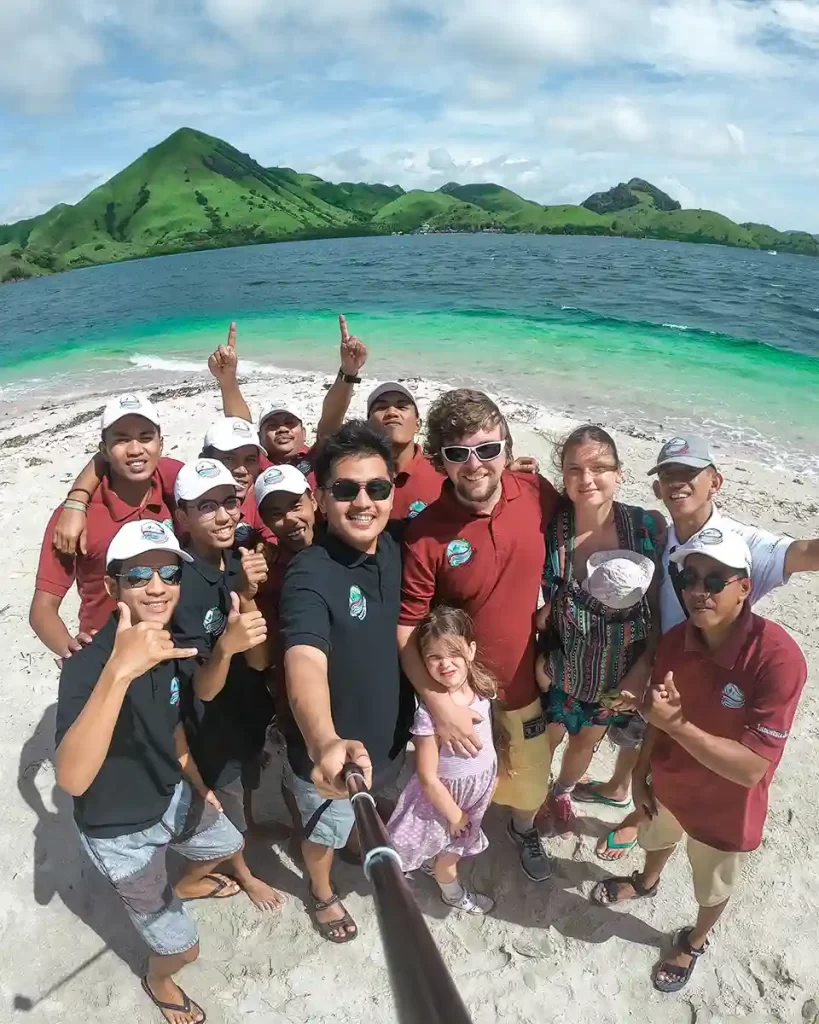
Most crews aboard Indonesia’s charter fleet are Indonesian nationals: captains and engineers from Sulawesi’s seafaring communities, dive professionals from Komodo and Raja Ampat, hosts trained in Bali’s hospitality sector. This yacht crew Indonesia guide covers the roles aboard a phinisi, where owners actually find crew, which certificates matter, how training culture works, and what professional management adds — written for owners and captains, not brochure readers.
Why Indonesian crews run Indonesian boats
Start with the flag. Indonesian cabotage rules favor Indonesian-flagged vessels for commercial work inside the archipelago, and operating charters within Indonesia generally requires an Indonesian entity holding the right licenses. That is a core reason the high-end charter fleet — including most luxury phinisi — is built locally and flagged locally. Regulatory notes in this article are information, not legal or financial advice; verify specifics with licensed agents.
The practical consequence for crewing: an Indonesian-flagged vessel is manned under Indonesian rules by Indonesian seafarers, drawn from one of the deepest maritime labor pools anywhere. Indonesia counts 17,508 officially named islands, and people have moved cargo and passengers between them for centuries. Crewing a yacht here is not a workaround. It is the native mode of operation.
Roles aboard a charter phinisi
A 30–50m charter phinisi typically carries a larger crew than a comparable fiberglass motor yacht. Traditional rigs and big wooden hulls demand more hands, and Indonesian charter service is built on generous staffing. Titles vary between operators, but the structure below is the common pattern.
| Role | What they own |
|---|---|
| Captain (kapten) | Navigation, weather calls, anchorage selection, overall authority; the best have spent whole careers in these specific waters. |
| Chief engineer (KKM) | Main engine, generators, watermaker, electrical systems, tender outboards. |
| Cruise director / head host | Guest program, daily briefings, the bridge between guest expectations and crew reality. |
| Chef and galley team | Provisioning across remote islands, guest menus, crew mess. |
| Dive team | Divemaster or instructor; compressor, tanks, dive planning, guest safety in the water. |
| Deck crew | Lines, sails, tenders, anchor watch, the constant maintenance a wooden ship asks for. |
| Stewards / hosts | Cabins, table service, laundry, the details guests remember. |
On the luxury tier, crew-to-guest ratios commonly approach one to one. A phinisi sleeping ten guests may well carry ten or more crew, and the difference shows in service.
Where yacht crew Indonesia sourcing actually happens
There is no central hiring hall. Crew reach the fleet through three main channels, plus the one that outranks them all: referral.
Sulawesi’s boatbuilding and seafaring communities
Bulukumba Regency in South Sulawesi — the beaches of Tana Beru, Bira, and Lemo-Lemo — is where phinisi hulls are still raised by hand, a craft UNESCO inscribed as Intangible Cultural Heritage in 2017. Many captains and deck crew come from the same Konjo boatbuilding communities that raise the hulls. A deckhand who grew up watching 40-meter hulls take shape on the sand reads a wooden ship differently than someone trained on fiberglass.
The dive industry
Labuan Bajo and Sorong supply the fleet with divemasters and instructors who know Komodo’s currents and Raja Ampat’s reef systems firsthand. On expedition and dive-focused boats, the dive team often doubles as guest-experience staff.
Bali’s hospitality sector
Hosts, chefs, and stewards frequently train ashore in Bali’s hotel and villa industry before moving afloat. They bring five-star service habits; the sea time comes later, on the job.
Above all three channels sits word of mouth. Good captains bring proven crews with them, and a strong chief engineer will vouch for the next one. Owners who try to assemble a crew from scratch, one stranger at a time, usually learn why the referral system exists.
Certificates and standards
Indonesian seafarers carry a seafarer’s book (buku pelaut) and certificates keyed to vessel class and trade area — Basic Safety Training at minimum, with deck and engine certificates scaling with tonnage and role. Serious operators layer their own requirements on top: medical checks, swim tests, service training, and recognized dive-professional credentials for the dive team.
Treat manning as a compliance item, not folklore. Required certificates shift with flag, vessel class, and where the boat trades. This is information, not legal advice — confirm your vessel’s manning scale and document requirements with licensed crewing and shipping agents before anyone signs on.
Training culture: how good crews get better
The traditional path is apprenticeship. A young deckhand from Bira learns lines and anchor work under an experienced bosun, moves up through tender driving and watchkeeping, and may hold a command fifteen years later. Formal certificates matter; the apprenticeship is what makes them mean something.
Seasonality builds a training calendar into the year. Komodo runs roughly May through September, Raja Ampat roughly October through April, and fleets reposition between the two. Those crossing weeks — long passages without guests — are when disciplined operators run fire and abandon-ship drills, rehearse service, catch up on maintenance, and send crew ashore for certificate renewals.
Retention is the quiet metric that separates fleets. Crews stay where pay continues through low season, contracts are clear, and there is a visible path from deckhand to officer. A boat that keeps its crew for years compounds skill; a boat that churns crew resets to zero every season.
What management support adds
Before a crew is anything romantic, it is a payroll, a rotation plan, a certificate matrix with expiry dates, and a service standard. Professional yacht management in Indonesia typically covers recruitment and vetting, contracts and payroll, rotation across the Komodo and Raja Ampat seasons, certificate and medical tracking, drill schedules, and guest-service audits. For an owner who visits the boat a few weeks a year, that back office is the difference between a program and a slow-moving problem.
Our group has operated in these waters since 2015. Through our operating brands we build phinisi with Indonesian yards — see phinisi yacht construction — run charter fleets across Komodo and Raja Ampat, and crew and manage vessels for private owners, with maritime security and owner concierge support where required. Crewing and management rates are on request via WhatsApp.
FAQ
How many crew does a charter phinisi carry?
More than most owners expect. Wooden hulls and traditional rigs need hands, and luxury service runs on staffing, so crew-to-guest ratios near one to one are common on the upper tier. A 40-meter boat sleeping ten guests will often carry ten to fourteen crew, depending on the dive program and service level.
Do Indonesian yacht crews speak English?
Guest-facing crew on established charter boats — cruise directors, hosts, dive staff — generally work comfortably in English. Deck and engine crew vary. Good operators test language ability during vetting and place strong English speakers in guest-facing roles, which is one more reason vetting matters.
Can a foreign captain work on an Indonesian-flagged yacht?
Indonesian-flagged vessels are manned under Indonesian rules, and foreign nationals need proper work authorization handled as a separate process. Some owners retain a foreign captain or engineer in an advisory or standards role alongside licensed Indonesian officers. This is information, not legal advice — structure any such arrangement with licensed agents.
How do crews handle the switch between Komodo and Raja Ampat seasons?
Fleets reposition with the weather: Komodo roughly May to September, Raja Ampat roughly October to April. Crews usually stay with the boat through the crossing, using guest-free passage weeks for drills, maintenance, and leave rotation. Management plans the rotation months ahead so certificates and leave never collide with charters.
What documents should I check before signing a crew member?
At minimum: seafarer’s book, Basic Safety Training, certificates matching the role and vessel class, a current medical, and dive-professional credentials for dive staff. Then check the thing paper cannot show — references from previous captains. Verify formal requirements with licensed crewing agents; they shift with vessel class and trade area.
Can your team recruit and manage crew for my boat?
Yes. Through our group’s operating brands we source, vet, contract, and manage crews for owners and charter programs, drawing on the same networks that crew our own fleet. Rates are on request via WhatsApp, scoped to your vessel and program.
Talk to our yacht desk
Crewing questions rarely arrive alone — they come attached to management, refit, and scheduling decisions. One WhatsApp thread covers charter, construction, transfers and everything in between.