
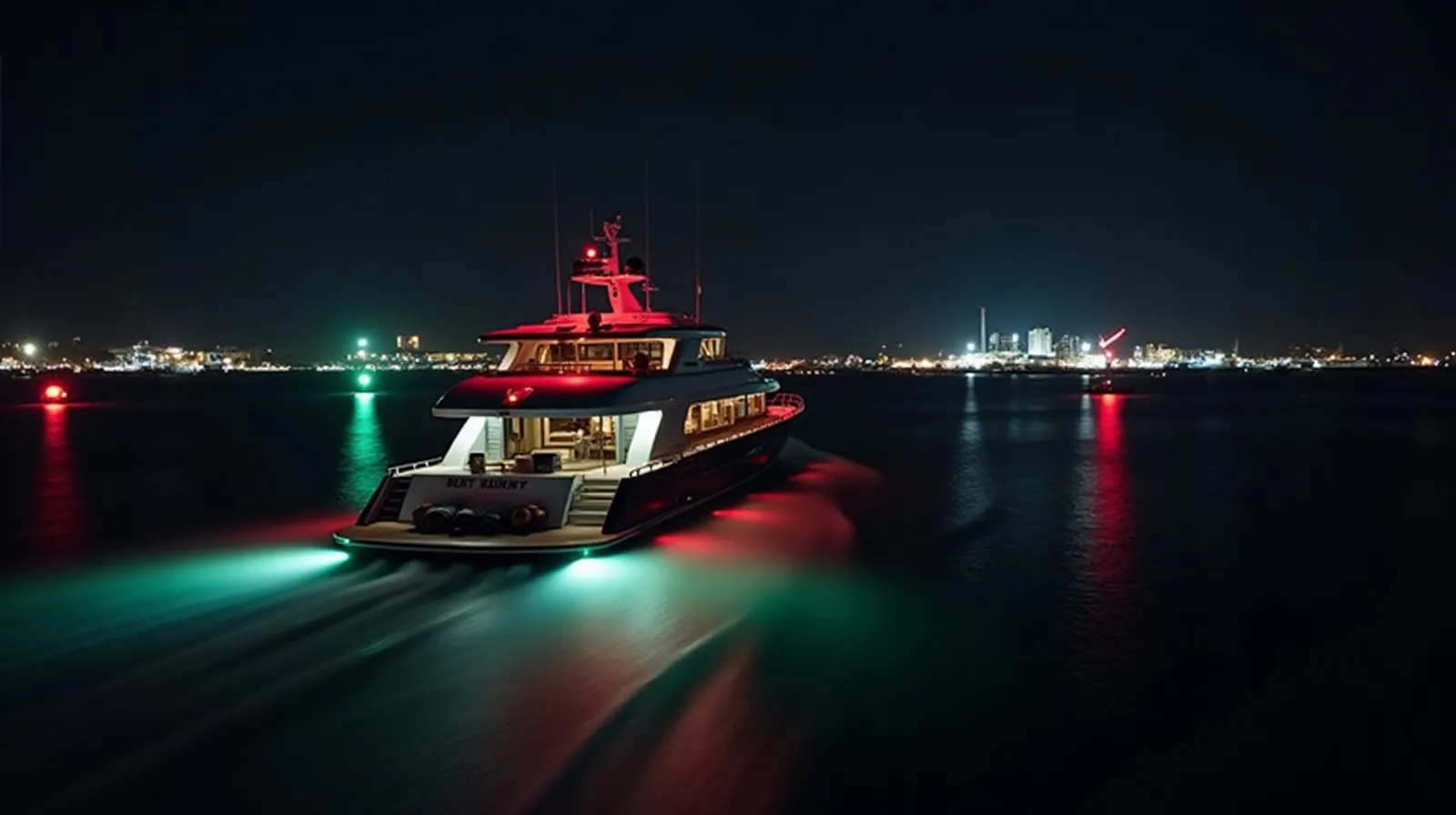
Night Arrivals at Benoa: Lighting, Pilotage and Berthing After Dark
The straight answer experienced captains already know: Benoa can be entered after dark — it is a working commercial port with a buoyed, dredged approach and lit aids — but a first-time night arrival at the Serangan side of the bay is a different proposition entirely, and the professional default for any reef-fringed Bali entrance you have never seen in daylight is to stand off until morning. This is not caution theatre. The approaches here mix a maintained ship channel with broad reef flats where natural depths collapse to almost nothing outside the marks, cross-set builds with the tide, and the visual environment at night stacks city glare behind navigation lights. Boats that plan the arrival window as carefully as the passage arrive bored, which is the goal. This guide covers how to think about lighting, pilotage and berthing after dark on this coast — as planning doctrine, not as a substitute for charts, Notices to Mariners or the port’s own instructions.
Disclosure, as on every page: kurakuramarina.com is an independent information and marine-services platform for the Serangan–Benoa waterfront. We are not the harbourmaster and nothing here is pilotage authority; controlling depths, buoyage and lighting must be verified against current official sources and the facilities you are booked with. What we add is the practical sequencing our desk arranges for real arrivals.
The Two Entrances Are Different Problems
Treat the bay as two regimes. The Benoa ship channel is commercial infrastructure: dredged, buoyed and lit for ferry, cruise and cargo traffic, with the fairway behaviour, depths and seasonal swell effects we detail in our Benoa channel approach notes. A competently crewed yacht with radar, current charts and a bow lookout can work this channel at night, provided it does what small craft must in a commercial fairway: monitor the port working channel on VHF, stay clear of manoeuvring ships that own the water, and never argue tonnage with a ferry. The Serangan lagoon entrance is the opposite regime: a reef-channel entry whose behaviour we cover in the lagoon entry guide, tide-sensitive territory explained further in our water depth briefing. Reef channels reward daylight, height of tide and prior local knowledge; at night, first-time, they punish all three absences at once. The doctrine: darkness plus reef plus first visit — remove at least one before you commit.
Planning the Arrival Window
- Aim the passage at a daylight-with-tide window, and build the speed plan backwards from it. An hour of slowing down at sea costs less than any minute of improvising inshore.
- If the schedule slips to darkness, the seamanlike menu is short: hold offshore in clean water until first light; take the commercial channel if — and only if — your charts, equipment and nerve are current; or anchor in a charted, protected spot and finish the job in the morning.
- Mind the season: the monsoon calendar changes swell behaviour at the entrance and holding quality outside — the seasonal mechanics are in our monsoon mooring guide.
- File your intentions: agent and berth informed of your ETA and your fallback, so nobody is guessing at midnight — and so the berth still exists at breakfast.
Berthing After Dark: the Shore Side of the Problem
The water is only half the night-arrival question; the dock is the other half. Working waterfronts keep working-hours rhythms: fuel service belongs to daylight — plan the first fill for morning via the fuel dock — marina offices thin out after dark, and a night berthing without prior arrangement means improvising lines in poor light on an unfamiliar pontoon. The fix is administrative, not nautical: confirm through the berth booking desk before the passage that a night arrival is expected, which berth is yours, what lighting exists, and who — if anyone — meets lines at that hour. If the answer is nobody, the anchor-and-wait option gets more attractive, and clearing formalities were never a midnight activity in Indonesia anyway. One more pre-arrival discipline saves the morning: arrive with the hull already clean, because the first daylight hours are better spent on fuel and formalities than on discovering the biosecurity conversation you postponed.
Equipment and Crew Doctrine for Night Work Here
Nothing exotic, everything current: charts corrected to the latest Notices to Mariners, radar tuned before the approach rather than during it, AIS transmitting and interrogated, a dedicated bow lookout freed from every other task, spotlight ready but used sparingly to preserve night vision, and the cockpit briefed on abort criteria before the entrance — the decision to turn away must be pre-authorised, because nobody makes it well for the first time at 0200. Crews that run these waters commercially institutionalise all of this; the charter fleets working Bali and the eastern grounds — among them Komodo Luxury’s — simply schedule their movements so the tricky water happens in daylight, which is the least expensive doctrine of all and available to every private yacht willing to plan.
Can a yacht enter Benoa at night?
The commercial channel is dredged, buoyed and lit, and competent crews do work it after dark — with current charts, radar, a bow lookout, VHF watch on the port working channel and absolute deference to ship traffic. The honest qualifier: if it is your first visit, the professional default is to hold offshore or anchor clear until first light. The channel forgives familiarity, not introductions.
Is a night entry into the Serangan lagoon sensible?
For a first-timer, no — it is a tide-sensitive reef-channel entry where daylight, height of tide and local knowledge are the three safety margins, and darkness deletes the first and starves the third. Time the entry for a daylight window with adequate tide, or wait outside. Crews with genuine local familiarity operate to their own standard; this guidance is for boats that do not have it yet.
What should I arrange before a planned night arrival?
Everything administrative: berth confirmed and briefed on your ETA, the night-arrival question asked explicitly — which berth, what lighting, who meets lines — agent informed, fallback anchorage chosen, and the speed plan built so daylight remains recoverable if anything slips. Fuel and clearance are morning activities; a night arrival only needs a safe berth and sleep.
What are the abort criteria for a night approach?
Decide them at sea, before the entrance: loss of confident position relative to the marks, unresolved light confusion against shore glare, ship traffic compressing your room to manoeuvre, cross-set exceeding what your track can absorb, or any crew doubt spoken aloud. Any one triggers the pre-agreed turn-away to the hold or the anchorage. The rule that keeps boats whole: the abort is authorised in advance, so executing it costs no one any pride at 0200.
Talk to our yacht desk
Give us your ETA window and draft, and we confirm the berth, brief the night-arrival arrangements, book the morning fuel slot and have the agent ready — in USD in writing, one WhatsApp thread, no midnight improvisation.